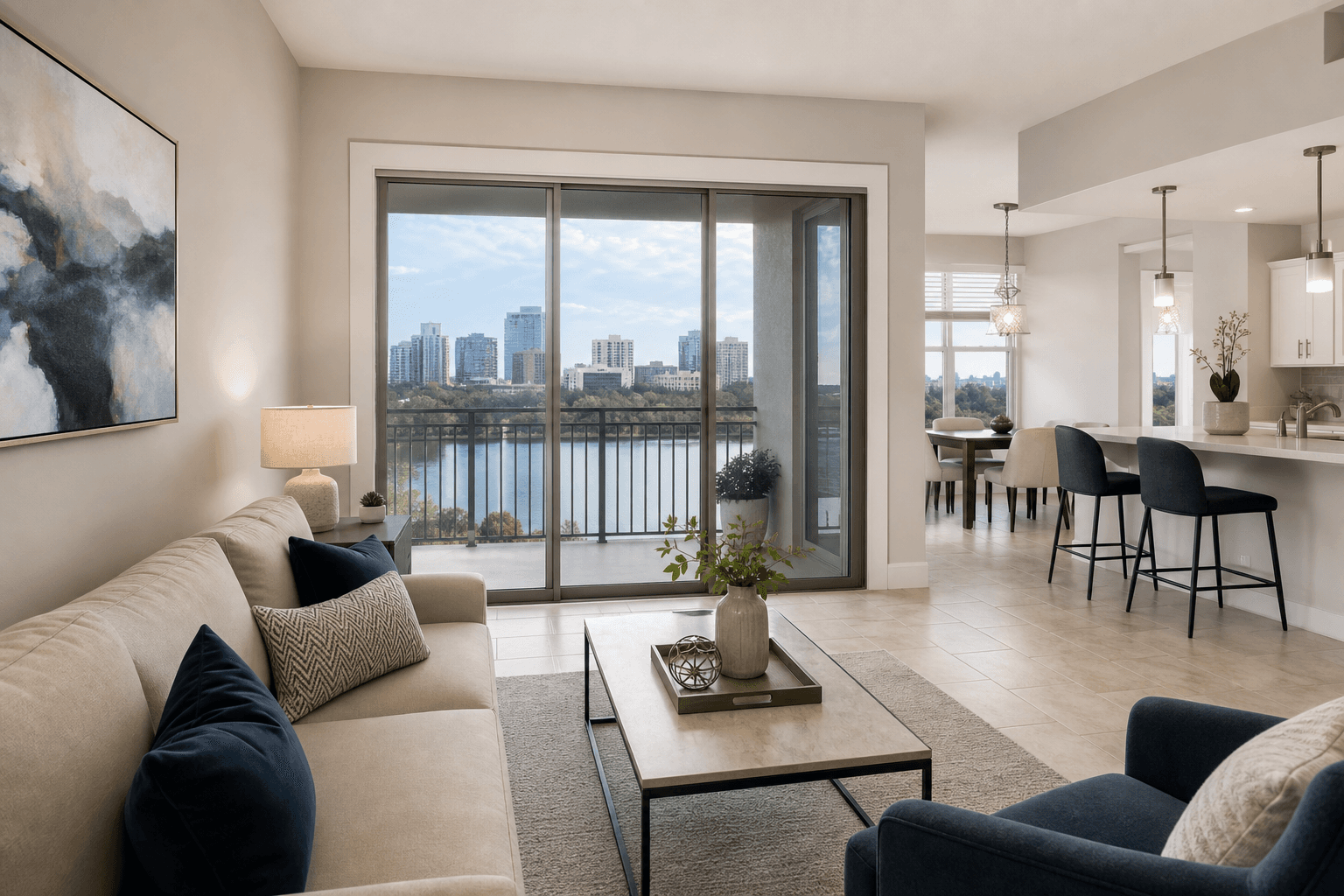
Condos for Sale in Orlando, Florida: Top Areas & What to Expect
Condos for Sale in Orlando, Florida: How to Pick the Right Neighborhood Before the Right Unit
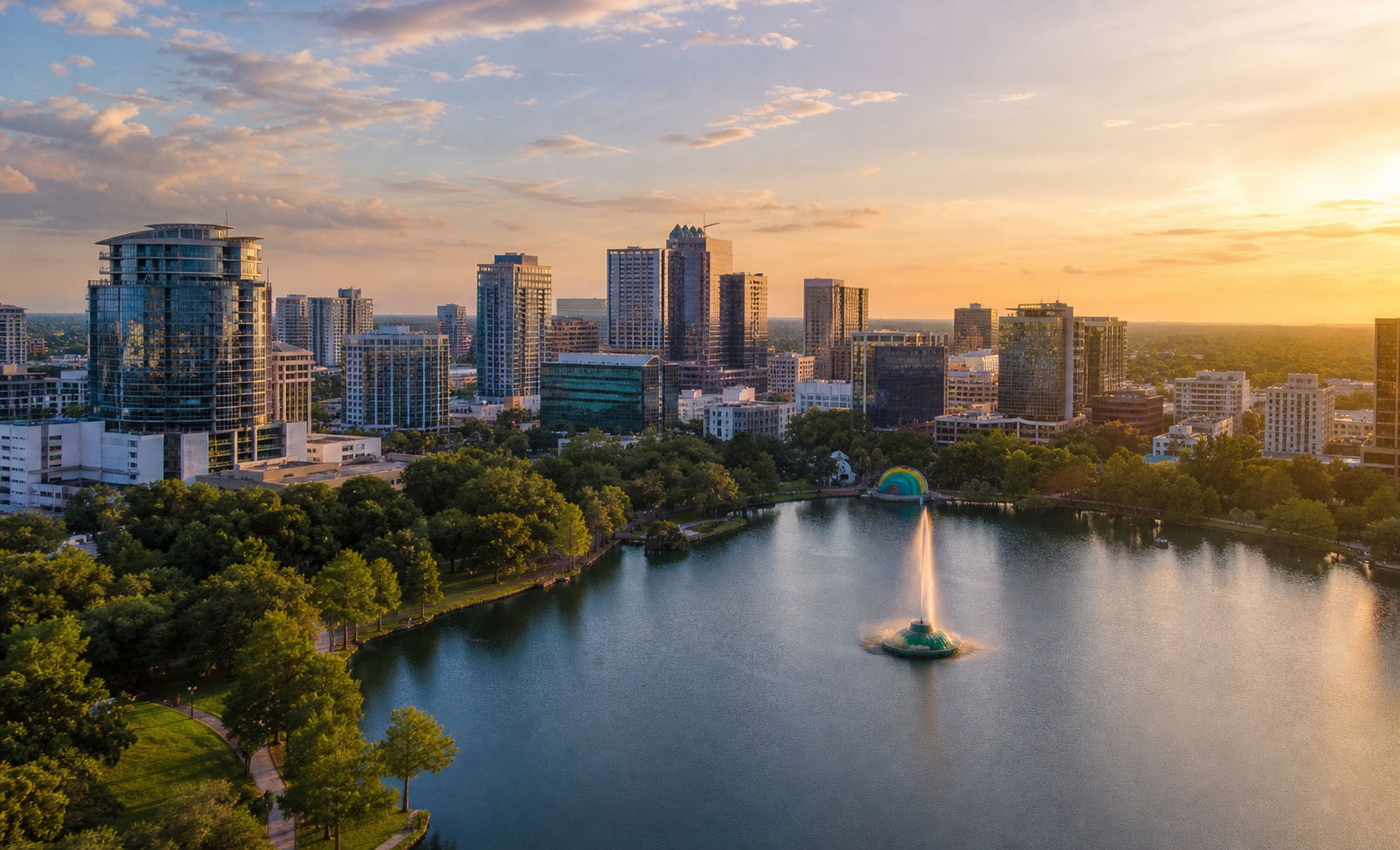
You've already decided on Orlando. What you haven't decided is which Orlando. The honest filter for condos for sale in Orlando Florida isn't price first — it's neighborhood first, because Downtown, Winter Park, Lake Nona, and Pointe Orlando each draw a fundamentally different buyer. Downtown pulls young professionals who want to ditch the car. Winter Park attracts established buyers and second-home owners willing to pay for historic scarcity. Lake Nona is the relocating tech and medical worker's value play. Pointe Orlando is built around the investor-buyer and the short-term rental owner. Each one commands different price-per-square-foot economics, different HOA structures, and different financing risks.
The rest of this article is operational. By the end, you'll know which neighborhood matches your budget and daily life, what the true monthly carrying cost actually is, and how to move from tour to closing without losing the deal to a warrantability surprise at underwriting. If you're newer to condo buying generally, the broader condo buyer's framework covers the foundations; this piece assumes you're past that and ready to compare specific Orlando submarkets.
Table of Contents
- Where Your Money Actually Goes: Price Tiers by Neighborhood
- Lifestyle Match: Which Orlando Neighborhood Solves Your Daily Routine
- The True Monthly Cost of Owning an Orlando Condo
- Financing an Orlando Condo: Lender Requirements That Kill Deals
- Walkthrough Priorities: What to Inspect and Ask
- From Offer to Closing: The Orlando Condo Buying Timeline
Where Your Money Actually Goes — Price Tiers Across Downtown, Winter Park, Lake Nona & Pointe Orlando
The fastest way to narrow your search for condos for sale in Orlando Florida is to align budget with neighborhood before you look at a single floor plan. The four submarkets below cover roughly 80% of where buyer interest concentrates, and each sits in a distinct price tier driven by supply, walkability, and demographic demand.
| Neighborhood | Typical Price Range | $/Sq Ft Tier | Typical Unit | Typical Monthly HOA |
|---|---|---|---|---|
| Downtown Orlando | $250K–$700K+ | Higher | High-rise 1–2BR | $400–$700 |
| Winter Park | $350K–$1.2M+ | Highest | Low/mid-rise boutique | $350–$650 |
| Lake Nona | $300K–$600K | Mid | New mid-rise / townhouse-style | $200–$400 |
| Pointe Orlando / I-Drive | $200K–$450K | Lower | Resort-style mid-rise | $400–$800 |
Ranges directional, drawn from current Stellar MLS / Realtor.com listing patterns. Confirm against live data before writing an offer.
Downtown Orlando commands a premium because buyers are paying for not needing a car on weekdays. You walk to CBD employers, Amway Center, Dr. Phillips Center, and Lake Eola. Inventory is concentrated in newer high-rises — Vue on Lake Eola, Solaire, 55 West, The Sevens — and turnover is thinner than buyers expect.
Winter Park sits at the highest $/sq ft tier in this comparison. The drivers are historic district scarcity, Park Avenue retail, a mature tree canopy that takes 80 years to grow back, top-rated public schools, and a near-zero new-supply pipeline. Boutique low- and mid-rise buildings dominate; you will not find Downtown-scale towers.
Lake Nona is the value play. Master-planned newness, proximity to Medical City and the KSC corridor, and modern energy-efficiency standards mean you get more square footage and newer finishes per dollar. The trade-off is car dependence and an HOA structure still settling out as the community builds.
Pointe Orlando / I-Drive trades cheapest per square foot but carries the highest HOA dues. Resort amenities, pool maintenance, security staffing, and short-term rental wear-and-tear all hit the budget. Many buildings here are explicitly investor-friendly, which shapes both pricing and financing.
The $400K test clarifies tier reality fast: at that budget you'll typically find a 1-bedroom Downtown, a 2-bedroom in Lake Nona (often townhouse-style), a 2-bedroom resort-style unit at Pointe Orlando, and almost nothing in Winter Park proper. If broader condo market dynamics for 2026 inform your decision, layer them on top of this neighborhood-level grid. Stellar MLS is the authoritative source for Orlando active listings; cross-check against Realtor.com Orlando market data before locking in expectations.
Lifestyle Match — Which Orlando Neighborhood Solves Your Daily Routine
Price tiers tell you what you can afford. Daily routine tells you whether you'll actually want to live there in 18 months. The bullets below are lived experience, not amenity lists.
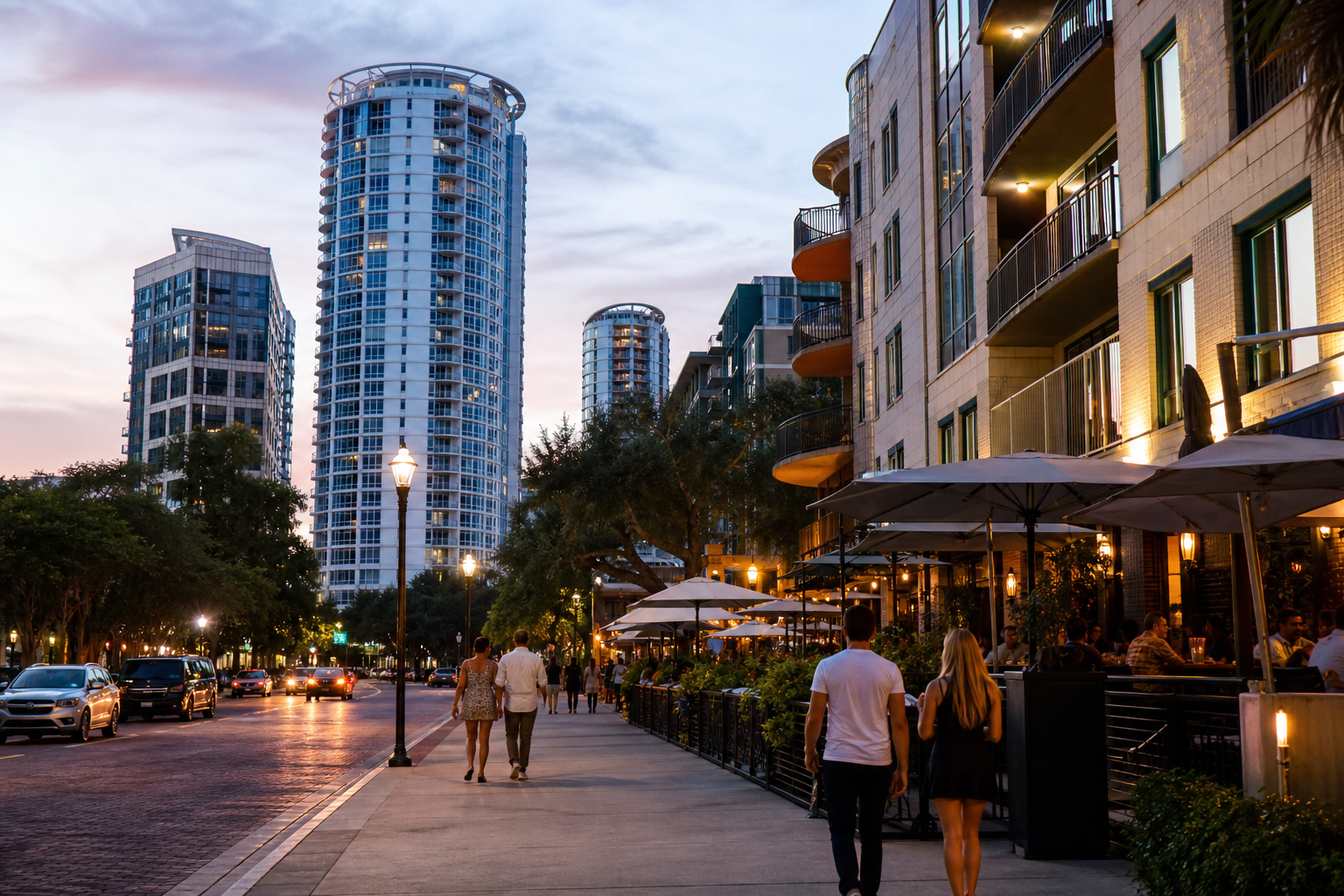
Downtown Orlando condos
- You walk to Publix at Creative Village, to work meetings on Orange Ave, and to dinner on Church Street. Car optional on weekdays.
- LYNX bus and SunRail commuter rail access; Church Street and LYNX Central are the closest stations.
- Noise reality: Wall Street Plaza bar district runs loud Thursday through Saturday until 2 AM. Ask which side of the building the unit faces.
- Demographic skew is 25–40 in newer towers (Vue, Solaire, 55 West, The Sevens). Higher renter mix than Winter Park.
- Weekend routine: farmers market at Lake Eola Sunday, Amway Center events, no yard maintenance ever.
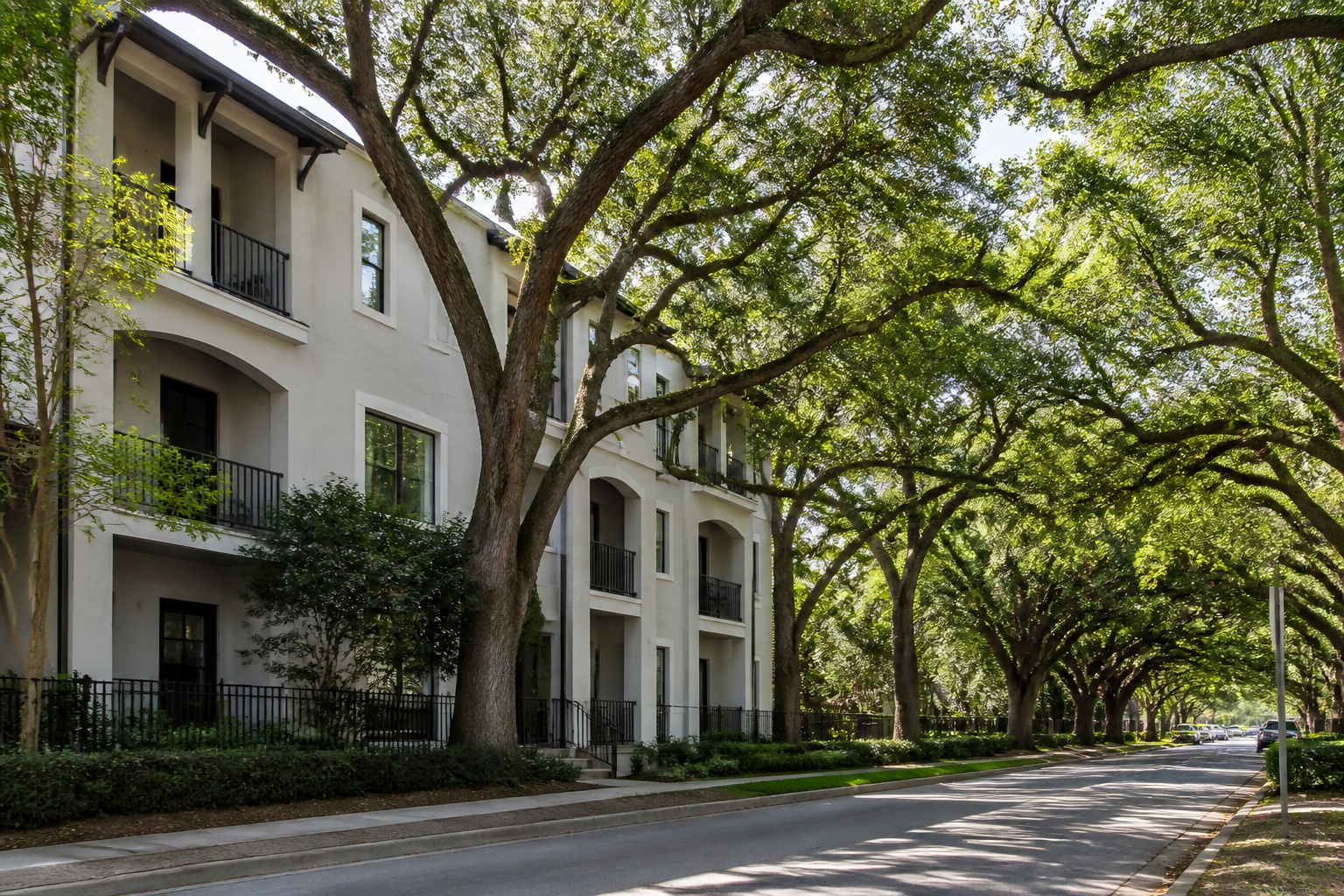
Winter Park condos
- Quieter pace. Park Avenue is the social and retail center, not a nightlife strip.
- Older demographic skew. More owner-occupants, fewer rentals, more long-tenured residents.
- Tree canopy and historic district mean lower-density buildings — most condos are 3 to 5 stories, not high-rises.
- Commute is 15–20 minutes to Downtown Orlando, 25–30 minutes to MCO. The SunRail Winter Park station is a major asset.
- Weekend routine: Rollins College events, the Morse Museum, Park Avenue dining, boat tours on the Winter Park Chain of Lakes.
Lake Nona condos
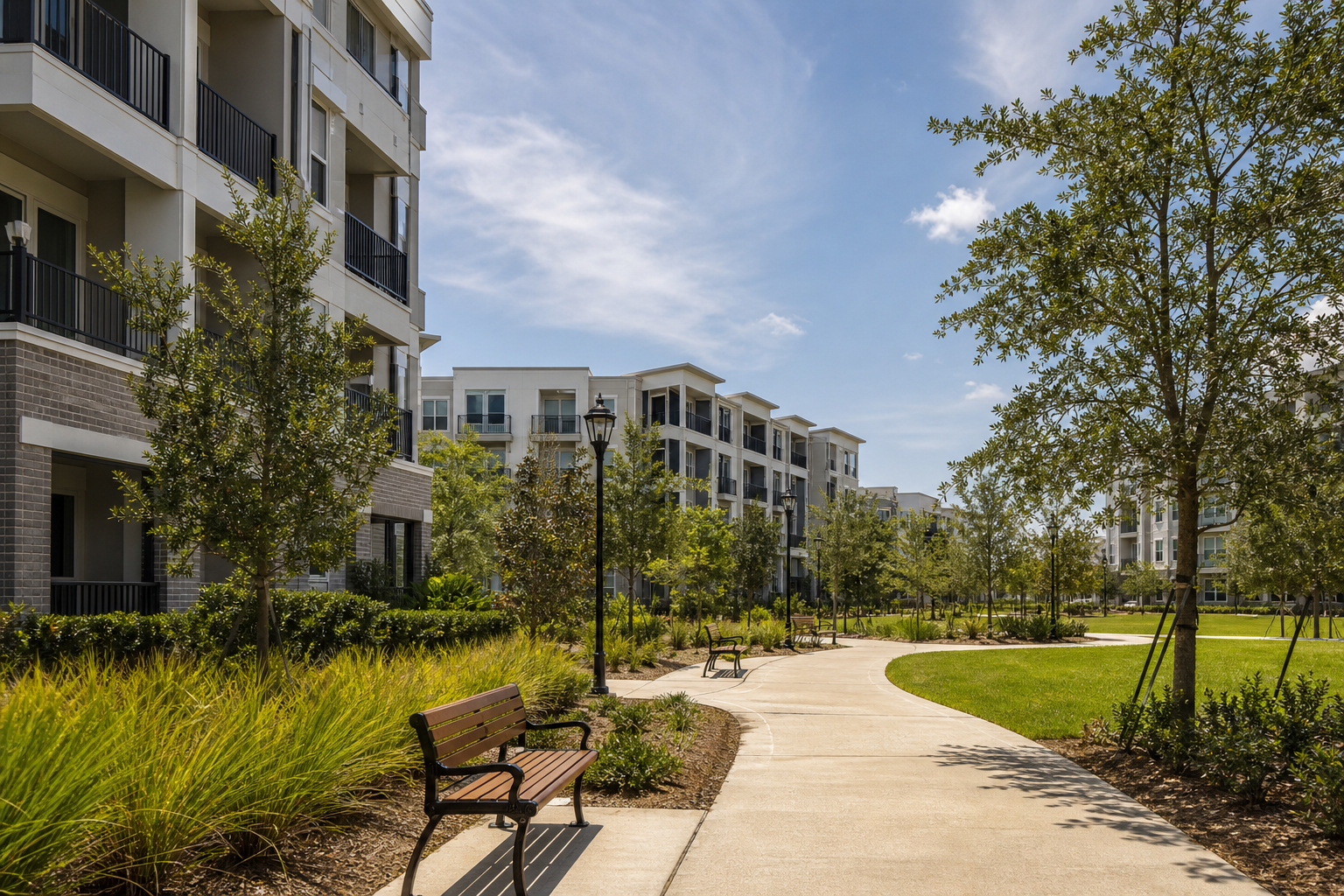
- Master-planned and car-dependent. You'll drive everywhere, but everything is new.
- Family skew alongside young professionals working at Medical City and KSC.
- Boxi Park, Lake Nona Town Center, and the USTA National Campus shape weekend life.
- New construction means warranty coverage on most units and modern energy-efficiency standards. Newer HOAs are still defining assessment patterns.
- Commute is roughly 20 minutes to MCO, 25–30 minutes to Downtown. Traffic on 417 worsens materially at peak hours.
Pointe Orlando / I-Drive condos
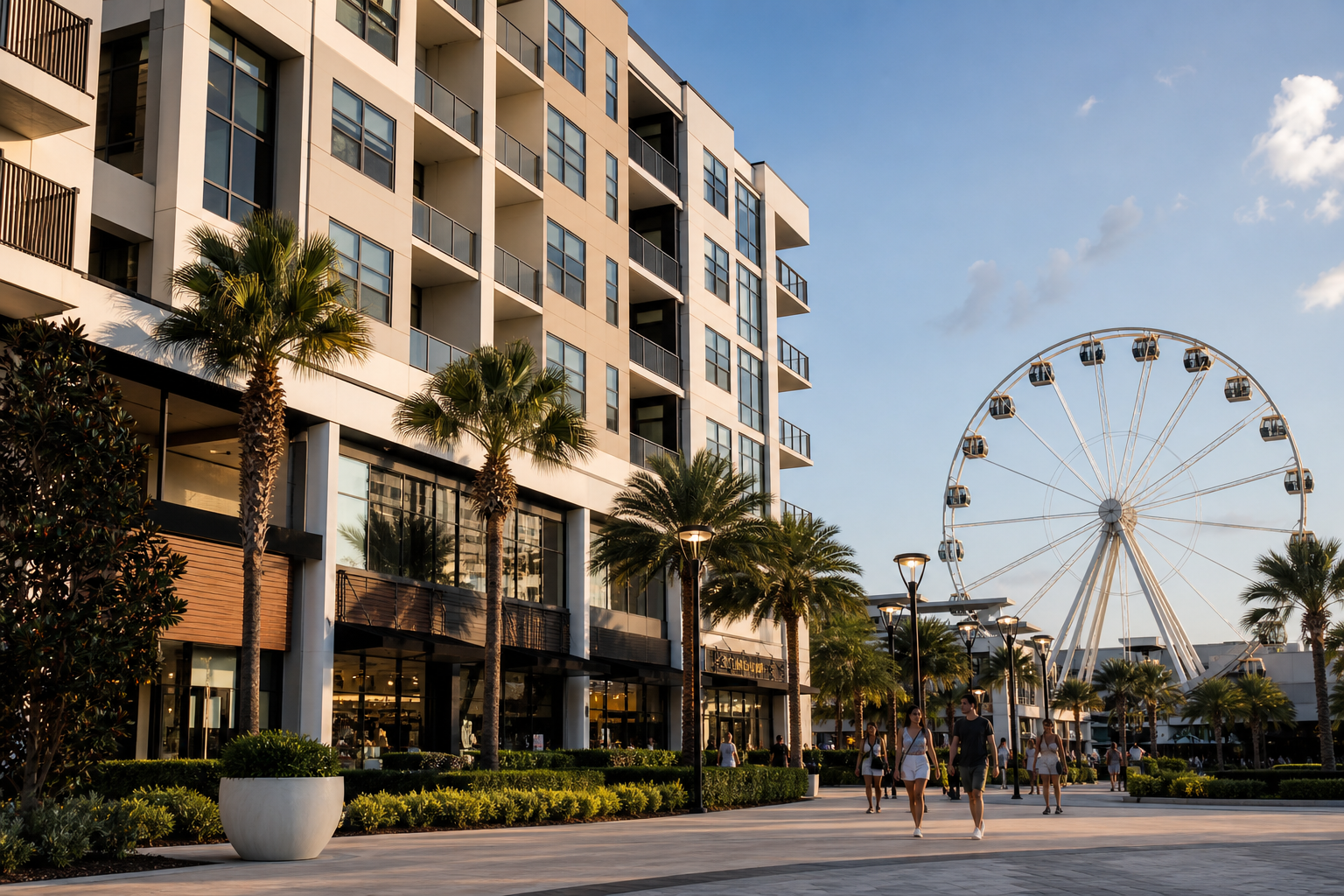
- Mixed-use, hotel-adjacent, built for short-term occupancy as much as ownership.
- Heavy tourist foot traffic — a feature for investor-buyers, a friction point for full-time residents.
- Walkable to ICON Park, Pointe Orlando retail, and the Orange County Convention Center.
- Many buildings allow short-term rentals. Confirm the specific building's rental rules in the CC&Rs before assuming an STR strategy works.
- Weekend routine here is unique: you may share elevators with vacationing families year-round.
Your commute, your weekend routine, and your neighbor demographic matter more than square footage. Pick the neighborhood first, then the unit.
The True Monthly Cost of Owning an Orlando Condo — HOA, Taxes, Insurance & Assessments
Sticker price misleads in Florida condo markets. The carrying cost — HOA dues plus property tax plus insurance plus pending assessments — frequently swings the real monthly outlay by 30% or more between two units at the same purchase price. Work the math before you fall in love with a floor plan.
HOA fees by neighborhood. Orlando condo HOA dues typically run $250–$800 per month, scaled to building amenities, age, and reserve health. Downtown high-rises with concierge, pool, gym, and valet trend $400–$700. Winter Park boutique buildings sit $350–$650 — lower density means fewer amenities to fund but also fewer owners across which to spread fixed costs. Lake Nona's newer HOAs run $200–$400, but assessments remain unpredictable in master-planned communities still building out. Pointe Orlando resort-style buildings hit $600–$800+ because pool maintenance, security, and short-term rental wear-and-tear all run hotter than residential averages.
Florida property tax mechanics. Orange County millage rates apply to your assessed value; confirm the current rate from the Orange County Property Appraiser. The homestead exemption saves owner-occupants up to $50,000 of assessed value — but only on a primary residence, which disqualifies most Pointe Orlando investor-buyers. Florida's Save Our Homes cap limits annual assessed-value increases to 3% for homesteaded properties. Non-homesteaded condos (second homes, investments) cap at 10% per year but reset to market value at sale — a major budget item for investor buyers who hold short. If you're treating the purchase as a rental asset, layer in ongoing property management considerations before the carrying-cost math closes.
Special assessments — the line item buyers forget. After Florida's Surfside response legislation (SB 4-D, 2022), condo associations of three or more stories must complete Structural Integrity Reserve Studies (SIRS) and fund reserves accordingly under Florida Statute 718. Older Downtown and Winter Park buildings — those 30+ years old — carry the most exposure to deferred-maintenance assessments. Lake Nona buildings, mostly under a decade old, sit on the lighter end of that risk. The SIRS report and the reserve study are no longer a nice-to-have; you request them during due diligence or you walk.
After Surfside, Florida condo buyers have to read the reserve study before reading the listing photos. The building's financial health is now part of the unit's price.
Condo insurance (HO-6). The HOA master policy covers building shell and common areas. The owner needs an HO-6 walls-in policy covering interior finishes, personal property, and liability. Florida HO-6 premiums have risen materially since 2022; budget $800–$2,500 per year depending on building age, flood-zone proximity (parts of Downtown sit in higher-risk zones), and coverage limits. The Florida Office of Insurance Regulation tracks current market conditions and rate filings.
Parking, storage, utilities. Downtown buildings frequently deed parking separately; a second space can run $25K–$50K and isn't always included. Winter Park typically bundles covered or surface parking with the unit. Lake Nona almost always includes garage parking. Pointe Orlando includes parking but often shares it hotel-style. Utilities — most Orlando condos meter electric and internet to the unit; water and trash are often HOA-bundled but verify line-by-line.
Worked example. A $450K Downtown 1-bedroom with $500/month HOA, $5,400 annual property tax (non-homesteaded), $1,400/year HO-6 insurance, and $60/month parking adds roughly $1,200/month in carrying cost on top of the mortgage. Compare to a $380K Lake Nona 2-bedroom with $275 HOA, $4,200 property tax (homesteaded), and $1,100 HO-6 — roughly $800/month in carrying cost. The 15% lower sticker price translates to about a 33% lower monthly carry. This is the math that should drive neighborhood selection.
Financing an Orlando Condo — Lender Requirements That Kill Deals
Condo financing fails differently than single-family financing. The lender isn't only underwriting you — they're underwriting the building. Most deals that collapse at the underwriting stage collapse because nobody checked the building's status before the offer went in.
- Confirm the building's warrantability before you write the offer. Fannie Mae and Freddie Mac maintain approved condo project lists; FHA maintains its own. A non-warrantable building forces you into a portfolio loan at higher rates, often 0.5–1.0 percentage points above conventional. Run the FHA Condominium search before you write.
- Owner-occupancy ratio matters. Conventional loans typically require ≥50% owner-occupancy. FHA generally requires the same. Pointe Orlando condos frequently fail this test because of short-term rental concentration — verify before assuming FHA or conventional financing applies.
- Investor concentration cap. No single entity may own more than 10% of units for most conventional financing. Newer Lake Nona condos sometimes flag here because developers still hold inventory during phased build-out.
- HOA reserve funding. Lenders increasingly require the HOA to fund reserves at ≥10% of the annual budget, a standard tightened across the board after Surfside. Underfunded reserves are the most common reason Florida condo loans fall apart at underwriting. The same dynamic plays out in comparable South Florida condo markets, and the underwriting playbook is converging.
- Delinquency rate. If ≥15% of unit owners are 60+ days delinquent on HOA dues, the building is automatically non-warrantable for most conventional loans. Ask for the delinquency report alongside the financials.
- Pending litigation disclosure. Any structural, construction-defect, or major liability litigation against the HOA typically disqualifies the building from conventional and FHA financing. Older Downtown Orlando condos carry elevated exposure post-Surfside as milestone inspections surface deferred issues.
- Down payment expectations. Owner-occupied condos: typically 5–10% conventional, 3.5% FHA on warrantable buildings. Investment condos — including most Pointe Orlando short-term rental plays — require 20–25% minimum at higher rates. Second homes: 10–20%.
Cross-reference your target building against Fannie Mae's condo project review guidelines before your lender orders the questionnaire. Catching a disqualifier early saves the deal.
Walkthrough Priorities — What to Inspect and Ask in Each Orlando Neighborhood
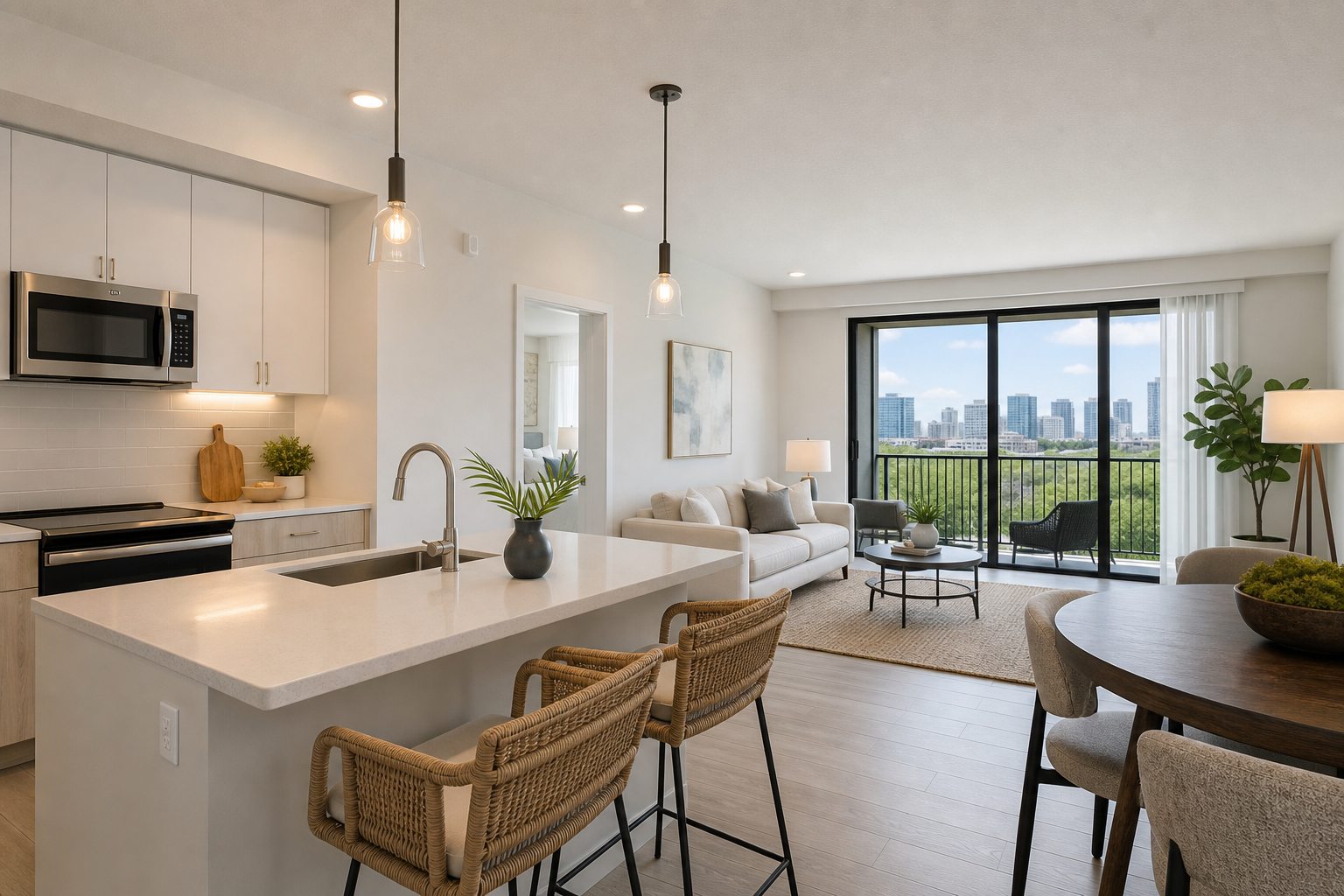
The walkthrough is where assumptions meet reality. Organize the inspection into four tiers and a neighborhood-specific question block. Run them in this order.
Tier 1: The unit itself
- HVAC age and last service date. Florida humidity kills systems faster than the national average — 10+ years means budget for replacement.
- Windows: impact glass versus standard, single versus double pane. Impact glass meaningfully reduces HO-6 insurance premiums.
- Water-intrusion signs around windows, balcony doors, and bathrooms. Florida buildings show damage fast; a small stain often signals a recurring leak.
- Electrical panel age. Pre-2000 panels in older Downtown buildings may need updating, and some panel brands trigger insurance issues.
- Floor plan orientation. West-facing units bake in afternoon sun; north and east-facing units are notably cooler and cheaper to cool year-round.
Tier 2: The building
- Roof age and date of last replacement. Ask for the receipts.
- Elevator service contract status and date of last modernization.
- Common area deferred maintenance — peeling paint, hallway carpet age, pool equipment condition.
- Garage or structural visible cracking. Request the SIRS report and any milestone inspection reports — mandatory for buildings three stories or taller at 30 years (25 years if within three miles of the coast) under Florida Statute 718.301.
Tier 3: The HOA
- Last two years of HOA financials and the current operating budget.
- Reserve study status and current reserve fund balance.
- Pending special assessments and any voted-but-not-yet-billed items.
- Rental policy: minimum lease terms, short-term rental allowance, owner-occupancy ratio.
- Pet policy, parking assignment, and storage assignment in writing.
Tier 4: Neighborhood-specific questions
- Downtown Orlando condos: Ask about Wall Street Plaza noise levels, future high-rise developments that may block views, and any SunRail or LYNX route changes affecting commute.
- Winter Park condos: Ask about historic district restrictions, tree removal rules (the canopy is regulated), and planned Park Avenue parking changes.
- Lake Nona condos: Ask about remaining master-plan build-out — which adjacent parcels are still undeveloped, what's planned, and on what timeline.
- Pointe Orlando condos: Ask for the owner-occupant versus short-term rental ratio, any STR revenue history available for the unit, and convention center event noise patterns.
The Tier 2 SIRS request is the single highest-leverage item on this list. A building that can't produce a current reserve study and milestone inspection is a building you don't write an offer on.
From Offer to Closing — The Orlando Condo Buying Timeline
Once you're touring condos for sale in Orlando Florida that meet your neighborhood, budget, and financing criteria, the timeline from offer to closing typically runs 30–45 days. The steps below are sequential — skipping or compressing any of them is how deals fall apart in week three.
- Pre-approval letter. Get a condo-aware lender pre-approval, not a generic mortgage pre-approval. Specify the building or building type so the lender flags warrantability early. Without this step, you can lose 5–10 days mid-deal when warrantability surfaces at the wrong moment. If you're selling your current home before buying, sequence the listing and pre-approval together so your contingency timing works.
- Offer with condo-specific contingencies. Use the standard Florida AS-IS contract plus a condo rider giving you a defined HOA document review period — typically three days on resale under Florida Statute 718.503. Use that window seriously. You can browse current listings and shortlist three to five buildings before you draft the offer so the comparison set is real.
- HOA document review. During the statutory review period, read the CC&Rs, the current budget, the reserve study, the last two years of meeting minutes, and the rules and regulations. Under Florida Statute 718.503, buyers have a three-day right of cancellation after receiving condo documents on resale (15 days on new construction). This isn't a paperwork formality — it's your last clean exit.
- Inspection period (7–10 days typical). Run the unit inspection, the building walk-through, and the document review concurrently. Don't waste the clock running them in sequence — there isn't time.
- Loan application and condo project approval. Your lender orders the condo questionnaire from the HOA. This is where deals stall: HOAs commonly take 5–15 business days to return the questionnaire. Push your agent to follow up daily, not weekly.
- Title, insurance, and final walkthrough. Title search confirms no liens on the unit or outstanding assessments. Bind your HO-6 policy in writing before you close. Final walkthrough happens 24–48 hours before closing, not the morning of.
- Closing day. Verify the HOA estoppel letter shows current dues, prorated fees, and no pending assessments. Confirm parking and storage assignments transfer to your name on the deed or in a separate written assignment. Sign and fund. If your buyer profile leans toward income property and a duplex makes sense alongside or instead of a condo, multi-unit investment alternatives are worth comparing before you commit.
Closing-ready checklist. Run this before you submit any offer.
- Condo-aware lender pre-approval secured
- Target neighborhood selected; three or more buildings shortlisted
- Building warrantability confirmed (FHA, Fannie/Freddie, or portfolio path identified)
- HOA financials, reserve study, and two years of meeting minutes received
- SIRS / milestone inspection report received (buildings 3+ stories or 30+ years old)
- Unit inspection completed; HVAC, roof, windows assessed
- HO-6 insurance quote bound in writing
- Estoppel letter reviewed before closing
- Parking and storage assignments confirmed in writing
- Final walkthrough completed 24–48 hours pre-close
If you want a second set of eyes on a specific building's reserve study or want to compare two shortlisted units against each other before writing, an advisor at Boca Banyan Realty can run the comparison with you.